
WordPress Development: A Complete Guide to Building Powerful Websites
Introduction
In the modern digital landscape, having a professional website is essential for businesses, entrepreneurs, startups, bloggers, and organizations. A website serves as a digital identity and provides businesses with an effective platform to reach customers, promote products, generate leads, and build credibility. Among the many technologies available for website creation, WordPress development has become one of the most popular solutions for creating flexible, scalable, and user-friendly websites.
WordPress is an open-source content management system that allows users to create, manage, and publish digital content. Although it originally became popular as a blogging platform, WordPress has evolved into a powerful website development platform capable of supporting business websites, online stores, membership platforms, portfolios, news portals, educational websites, and complex digital experiences.
The flexibility of WordPress development comes from its extensive ecosystem of themes, plugins, customization options, integrations, and development tools. Businesses can start with a simple website and gradually add advanced functionality as their requirements grow.
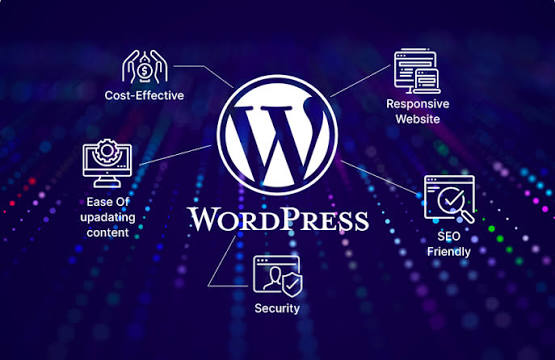
Professional WordPress development focuses on creating websites that are visually appealing, responsive, secure, optimized for search engines, and easy to manage. With the right strategy, WordPress can provide businesses with a strong digital foundation.
What Is WordPress Development?
WordPress development refers to the process of designing, building, customizing, maintaining, and optimizing websites using the WordPress platform. It can involve both simple website creation and advanced programming.
A WordPress website can be customized using themes and plugins, while developers can modify or create custom code when a project requires unique functionality.
WordPress development can include:
- Website design
- Theme customization
- Custom theme development
- Plugin development
- E-commerce development
- API integrations
- Website migration
- Performance optimization
- Security implementation
- SEO optimization
- Website maintenance
This flexibility makes WordPress suitable for businesses with different budgets, industries, and technical requirements.
Why WordPress Is Popular
One of the primary reasons businesses choose WordPress is its flexibility. Unlike platforms that restrict users to predefined layouts and features, WordPress allows extensive customization.
The platform also provides an intuitive content management interface. Website owners can create pages, publish blog posts, upload images, manage products, and update content without requiring advanced programming knowledge.
Another reason for the popularity of WordPress development is its extensive ecosystem. Thousands of themes and plugins are available to extend website functionality.
For example, businesses can add:
- Contact forms
- Booking systems
- Product catalogs
- Payment gateways
- Analytics
- Social media integrations
- Membership systems
- Email marketing tools
- SEO features
This makes WordPress a practical option for many types of websites.
Key Features of WordPress Development
Several features make WordPress development attractive to businesses and developers.
Easy Content Management
WordPress provides a user-friendly dashboard for managing website content. Business owners can add pages, edit text, upload images, publish articles, and manage media through the administrative interface.
This allows organizations to maintain their websites without depending entirely on developers for everyday content updates.
Customizable Themes
Themes control the visual appearance of a WordPress website. Developers can customize existing themes or create completely custom designs.
A professional theme can be adapted to match a company’s branding, including its colors, typography, layouts, imagery, and visual identity.
Plugins
Plugins extend WordPress functionality. Businesses can install plugins to add specific features without building every function from scratch.
However, professional developers should carefully evaluate plugins for compatibility, security, performance, and long-term maintenance.
Responsive Design
Modern websites need to work across desktops, tablets, and smartphones. Responsive WordPress development ensures that website layouts adapt to different screen sizes.
A responsive website can provide a consistent experience for users regardless of the device they use.
SEO-Friendly Structure
WordPress provides several features that can support search engine optimization. Developers can further optimize websites through proper site structure, metadata, performance improvements, internal linking, mobile responsiveness, and quality content.
SEO should be incorporated into the development process rather than added only after a website is launched.
Benefits of WordPress Development for Businesses
There are several advantages associated with professional WordPress development.
Cost-Effective Website Development
WordPress is open-source, which means businesses do not need to purchase a traditional software license to use the core platform.
Development costs can vary depending on the complexity of the website, design requirements, integrations, and custom functionality.
For small businesses and startups, WordPress can provide an accessible starting point.
Flexible Customization
Businesses often have unique requirements. WordPress can be customized to accommodate different designs, features, and workflows.
A website can begin with basic functionality and later be expanded with custom development.
Scalable Platform
As businesses grow, their websites often need additional pages, products, users, integrations, and functionality.
A well-designed WordPress architecture can support growth and allow businesses to introduce new features over time.
Easy Content Updates
Businesses frequently need to update their websites. WordPress makes content management relatively straightforward.
Marketing teams can publish blogs, update service pages, upload images, and manage website content through the dashboard.
Large Community
WordPress has a large global community of developers, designers, agencies, contributors, and users.
This ecosystem provides access to extensive documentation, development resources, plugins, themes, and technical knowledge.
Types of WordPress Development Services
Professional WordPress development can cover a wide range of services depending on business requirements.
Custom WordPress Website Development
Custom website development involves creating a website specifically for a business instead of relying entirely on a pre-designed template.
A custom website can provide greater control over design, functionality, performance, and user experience.
WordPress Theme Development
Developers can create custom themes based on a company’s branding and design requirements.
A custom theme can provide a unique website appearance and can be structured specifically around the organization’s content and functionality.
WordPress Plugin Development
Plugins allow developers to add custom features to WordPress websites.
For example, a business may need a specialized calculator, booking system, product management feature, customer portal, or integration with another application.
A custom plugin can be developed when existing solutions do not meet the project’s requirements.
WooCommerce Development
WooCommerce is widely used for building online stores with WordPress.
Businesses can use WooCommerce to manage products, categories, shopping carts, orders, customers, and payment processes.
Professional development can involve customizing product pages, checkout processes, payment integrations, shipping options, and store functionality.
WordPress Website Migration
Businesses may need to move websites from another platform or hosting environment to WordPress.
Migration requires careful planning to protect website content, URLs, databases, images, and SEO performance.
Professional developers can minimize downtime and help ensure that important website elements remain functional after migration.
WordPress Development Process
A successful WordPress development project generally follows a structured process.
Requirement Gathering
The first step is identifying the project’s goals and requirements.
Developers should understand the business model, target audience, desired features, content structure, branding, integrations, and performance expectations.
Clear requirements help reduce confusion during later development stages.
Planning
After gathering requirements, the development team creates a project plan.
This may include:
- Sitemap creation
- Feature planning
- Technology selection
- Content structure
- Development timeline
- Integration requirements
- Testing strategy
Planning provides a roadmap for the project.
UI/UX Design
The next stage involves designing the website interface.
Designers focus on usability, navigation, branding, typography, colors, spacing, and responsive layouts.
A strong user experience helps visitors find information easily and interact with the website effectively.
Development
During the development stage, developers build the website using WordPress.
Depending on the project, they may customize a theme, create a custom theme, configure plugins, develop custom functionality, and integrate third-party services.
Testing
Testing is an important part of WordPress development.
Developers should test the website across different browsers and devices.
Testing can cover:
- Navigation
- Forms
- Buttons
- Links
- Checkout
- User registration
- Search
- Mobile responsiveness
- Page loading
- Security
- Third-party integrations
Deployment
Once testing is completed, the website can be launched on its production hosting environment.
Before launch, developers should verify backups, security settings, redirects, forms, analytics, and important SEO configurations.
WordPress Development and SEO
Search engine optimization is important for businesses that want to attract organic traffic.
Professional WordPress development can establish a strong technical foundation for SEO.
Important SEO considerations include:
Website Structure
A logical website structure helps users and search engines understand the relationship between pages.
Categories, navigation, internal links, and URLs should be organized clearly.
Mobile Optimization
Search engines consider mobile usability an important part of website quality.
A responsive WordPress website should provide a good experience on smartphones and tablets.
Website Speed
Page speed can influence user experience and search performance.
Developers can improve performance through image optimization, caching, efficient code, optimized databases, and appropriate hosting.
Metadata
Pages should have relevant titles and descriptions that accurately represent their content.
Quality Content
Technical optimization alone is not enough. Businesses should also publish useful, original, relevant content that addresses the needs of their target audience.
WordPress Development and Website Security
Security is another critical consideration.
Because WordPress is widely used, websites should be properly maintained and protected.
Important security practices include:
- Keeping WordPress updated
- Updating themes and plugins
- Using strong passwords
- Implementing secure user permissions
- Using HTTPS
- Creating regular backups
- Monitoring suspicious activity
- Removing unused plugins
- Using reputable hosting
Professional WordPress development should consider security from the beginning rather than treating it as a post-launch task.
WordPress Development for E-Commerce
WordPress can also be used to create powerful online stores.
With WooCommerce and suitable extensions, businesses can sell physical and digital products online.
An e-commerce website can include:
- Product catalogs
- Shopping carts
- Checkout pages
- Customer accounts
- Payment gateways
- Shipping options
- Discount codes
- Order management
- Product reviews
- Inventory management
Custom WordPress development can further enhance an online store by integrating external systems such as accounting software, CRM platforms, marketing tools, shipping services, and payment providers.
WordPress Development for Different Industries
WordPress can be adapted to numerous industries.
Healthcare
Healthcare businesses can create websites featuring services, doctor profiles, appointment requests, educational resources, and contact information.
Education
Educational institutions can use WordPress for course information, student resources, blogs, event pages, and learning platforms.
Real Estate
Real estate businesses can create property listing websites with search filters, property galleries, location information, inquiry forms, and agent profiles.
Hospitality
Hotels and travel businesses can use WordPress for accommodation information, booking functionality, destination guides, offers, and customer inquiries.
Professional Services
Law firms, consultants, agencies, financial professionals, and other service providers can use WordPress to showcase services, expertise, case studies, testimonials, and contact options.
How to Choose a WordPress Development Company
Selecting the right development partner is important for achieving a successful website.
Businesses should consider the following factors.
Experience
Look for a company with relevant experience in WordPress development and projects similar to your requirements.
Portfolio
Review previous websites to evaluate design quality, functionality, responsiveness, and technical capabilities.
Technical Knowledge
A professional development team should understand WordPress architecture, themes, plugins, APIs, databases, security, performance, and SEO.
Communication
Clear communication helps ensure that project requirements are understood correctly.
A reliable development partner should provide regular project updates and clearly communicate milestones.
Support and Maintenance
A website requires ongoing updates and maintenance after launch.
Businesses should consider whether the development company provides services such as security updates, backups, bug fixes, performance monitoring, and feature improvements.
Future of WordPress Development
The future of WordPress development continues to evolve as web technologies and user expectations change.
Modern websites increasingly require faster performance, better accessibility, improved mobile experiences, stronger security, and seamless integrations.
WordPress continues to adapt to these requirements through improvements to its editing experience, development capabilities, performance, and ecosystem.
Businesses can also integrate WordPress with modern technologies and external platforms through APIs and other development approaches.
The growing importance of content marketing, e-commerce, personalization, automation, and digital customer experiences is likely to continue creating opportunities for WordPress-based websites.
Conclusion
WordPress development provides businesses with a flexible and practical approach to building modern websites. From simple company websites and blogs to complex e-commerce stores and customized web platforms, WordPress can support a wide range of digital requirements.
Its extensive ecosystem, customizable architecture, content management capabilities, scalability, and development flexibility make it a valuable platform for organizations of different sizes.
Professional WordPress development goes beyond installing a theme and adding plugins. It involves strategic planning, user-focused design, clean development, performance optimization, security, SEO, testing, and ongoing maintenance.
Businesses that invest in a professionally developed WordPress website can establish a strong digital presence while retaining the flexibility to expand their online operations in the future.
With the right development strategy and experienced professionals, WordPress can help businesses create websites that are attractive, functional, secure, search-friendly, and designed to support long-term growth.