
Courses
Facebook Course
Facebook Course: Complete Guide to Facebook Marketing Introduction A Facebook Course is an excellent way to learn how to use Facebook effectively for personal branding, business promotion, digital marketing, audience engagement, and online growth. Facebook remains an important social media platform for businesses, creators, marketers, entrepreneurs, and organizations looking to connect with their target audiences. A well-structured Facebook Course teaches learners how to create and manage professional Facebook pages, develop engaging content, build communities, understand audience behavior, run advertising campaigns, analyze performance, and develop effective social media strategies. Social media marketing is no longer limited to simply posting images or status updates. Successful Facebook marketing requires an understanding of content planning, audience targeting, creative development, advertising, analytics, engagement, and consistent optimization. Learning these skills can help businesses establish a stronger online presence and generate meaningful results. Whether you are a beginner, student, freelancer, business owner, content creator, or digital marketing professional, a Facebook Course can help you develop practical skills that can be applied to different industries and business models. What Is a Facebook Course? A Facebook Course is a structured training program designed to teach individuals how to use Facebook for marketing, communication, branding, and business growth. The course typically covers both organic and paid Facebook marketing. Organic marketing includes creating content, building followers, engaging with communities, and managing a Facebook page. Paid marketing focuses on advertising campaigns, audience targeting, budgets, creative formats, and campaign performance. A comprehensive Facebook Course may also teach learners how to create content calendars, understand Facebook algorithms at a high level, monitor analytics, optimize advertisements, and develop strategies based on audience behavior. The goal is not simply to teach users how to create Facebook posts. Instead, learners should understand how Facebook can become part of a broader digital marketing strategy. Why Learn Facebook Marketing? Facebook marketing can help businesses reach potential customers, communicate with existing audiences, increase brand awareness, and promote products or services. A Facebook Course provides learners with the knowledge required to use the platform strategically rather than posting content without a clear objective. For businesses, Facebook can support several marketing goals. These may include increasing website visits, generating leads, promoting products, encouraging customer engagement, building communities, and supporting brand recognition. For freelancers and digital marketers, Facebook marketing skills can become part of a professional service offering. Professionals may manage social media pages, create campaigns, develop content strategies, or manage advertising accounts for clients. Setting Up a Professional Facebook Page One of the first lessons in a Facebook Course is usually how to create and optimize a professional Facebook presence. A business page should provide accurate and useful information about the company. This may include the business name, category, description, website, contact information, operating hours, profile image, and cover image. A professional page creates a strong first impression. Visitors should immediately understand what the business offers and how they can contact or purchase from the company. The page description should clearly communicate the brand’s value proposition. Important information should be easy to find, and branding should remain consistent across the page. Understanding Your Target Audience Audience research is a fundamental part of a successful Facebook Course. Before creating content or advertisements, marketers should understand who they are trying to reach. An audience can be analyzed based on factors such as age range, interests, location, online behavior, purchasing needs, and problems they want to solve. For example, a business selling home décor products may target people interested in interior design, home organization, gifting, and lifestyle products. Understanding the audience helps marketers create more relevant content and advertising campaigns. Facebook Content Strategy Content strategy is one of the most important subjects covered in a Facebook Course. A successful Facebook page should not rely on one type of content. Different formats can be used to educate, entertain, inform, promote, and engage followers. Content may include: The right mix depends on the business and its audience. A content calendar can help marketers organize posts in advance and maintain consistency. Creating Engaging Facebook Posts Creating engaging content is a major focus of a Facebook Course. A successful post should provide a reason for the audience to stop scrolling and interact with the content. Strong visuals, useful information, storytelling, questions, and clear calls to action can improve engagement. For example, instead of simply posting a product image with its name, a business could explain how the product solves a specific customer problem and encourage followers to share their opinions. Content should be written for people rather than designed solely around algorithms. Genuine value and relevance should remain the primary goals. Facebook Reels and Video Content Video has become an important part of social media marketing. A Facebook Course can help learners understand how short-form video content can be incorporated into a broader marketing strategy. Reels can be used for tutorials, product demonstrations, educational tips, entertainment, behind-the-scenes content, customer stories, and trend-based content. Videos should capture attention quickly and communicate a clear message. Captions and on-screen text can also improve accessibility and understanding when users watch without sound. Consistency is generally more useful than producing a large number of videos without a strategy. Facebook Groups and Community Building Facebook Groups can help businesses and creators build communities around shared interests. A Facebook Course may teach learners how to establish and manage groups, encourage meaningful discussions, moderate conversations, and provide useful information to members. For example, a business selling fitness products might create a community focused on healthy lifestyles and exercise discussions. The group should provide value rather than becoming a constant stream of promotional messages. Community members are more likely to remain active when they receive useful information and opportunities to participate. Facebook Advertising Paid advertising is one of the most valuable areas of a Facebook Course. Facebook advertising allows businesses to promote content, products, services, websites, applications, and other offers to selected audiences. Learners can study different advertising objectives and understand how campaigns can be structured around goals such as awareness, traffic, engagement, leads, and sales. Successful
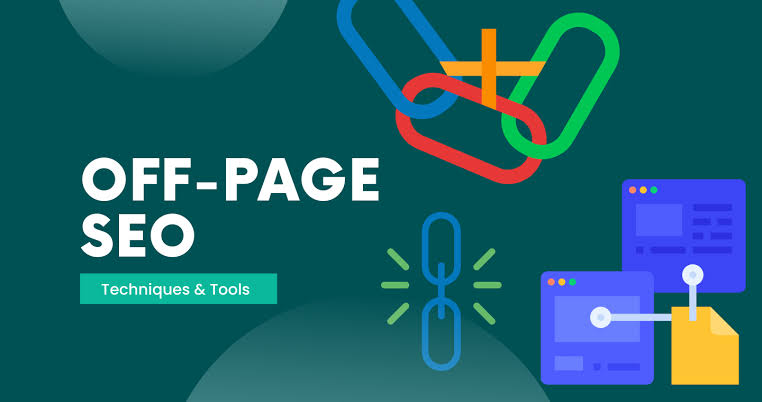
OFF Page SEO
Off Page SEO Course: Complete Guide to Building Website Authority Introduction An Off Page SEO Course is designed to teach the strategies and techniques used to improve a website’s authority, reputation, visibility, and search engine performance through activities performed outside the website. Search engine optimization is generally divided into several areas, including on-page SEO, technical SEO, and off-page SEO. While on-page SEO focuses on optimizing elements within a website, off-page SEO focuses on building credibility and recognition across the wider internet. An Off Page SEO Course helps students understand how external signals can contribute to a website’s overall SEO performance. These signals may include backlinks, brand mentions, digital PR, business listings, social media activity, guest contributions, online communities, and other forms of external promotion. The objective is not simply to create as many backlinks as possible. Modern SEO emphasizes relevance, quality, trust, and natural link acquisition. A successful strategy focuses on earning valuable references from credible and relevant websites while building a strong online presence. Whether you are a beginner, digital marketer, freelancer, business owner, blogger, or aspiring SEO professional, an Off Page SEO Course can help you develop practical skills for improving website authority and attracting relevant organic traffic. What Is an Off Page SEO Course? An Off Page SEO Course is a structured training program that teaches learners how to promote and strengthen a website’s authority using external SEO strategies. Off-page SEO includes activities that happen away from the website being optimized. The most commonly recognized activity is link building, but modern off-page optimization involves much more than backlinks. A comprehensive Off Page SEO Course can cover backlink research, link-building strategies, competitor analysis, guest posting, business citations, social media promotion, digital PR, brand mentions, influencer outreach, forum participation, and online reputation management. The course should also explain the difference between ethical SEO practices and manipulative techniques. Building hundreds of low-quality links may appear attractive in the short term, but it can create long-term risks. The focus should instead be on earning relevant and trustworthy links. Why Off Page SEO Is Important Search engines use many signals when evaluating websites. External references can help demonstrate that other websites recognize a page, brand, or business as useful or relevant. An Off Page SEO Course teaches learners how to develop these external signals responsibly. For example, imagine two websites offering similar services. One website has useful content but very few external references, while the other has earned links and mentions from respected websites within its industry. The second website may have stronger authority signals. Off-page SEO can also increase referral traffic. A relevant backlink from a popular website may send visitors directly to your website, providing benefits beyond search rankings. Strong off-page strategies can therefore support brand awareness, authority, referral traffic, and organic search visibility. Understanding Backlinks Backlinks are links from one website to another. They have traditionally been an important part of SEO because they can act as references or recommendations. A quality Off Page SEO Course explains that backlinks are not all equal. A link from a relevant, trustworthy website can be considerably more valuable than a large number of links from unrelated or low-quality websites. For example, if a technology company receives a contextual link from a respected technology publication, that link is likely to be more relevant than hundreds of unrelated directory links. Learners should understand factors such as relevance, authority, context, placement, and link quality when evaluating backlinks. Quality Over Quantity One of the most important principles taught in an Off Page SEO Course is quality over quantity. In the past, some SEO strategies focused heavily on creating large numbers of backlinks. Modern SEO requires a more thoughtful approach. A smaller number of highly relevant and trustworthy backlinks can be more useful than thousands of low-quality links. SEO professionals should therefore prioritize relationships with authoritative websites, useful content, genuine outreach, and links that make sense for users. Link Building Strategies Link building is one of the central topics in an Off Page SEO Course. There are several legitimate approaches that SEO professionals can use. Guest Posting Guest posting involves creating useful content for another relevant website. Depending on the publication’s policies, the author may receive a reference or link to their website. Successful guest posting requires quality content and relevant websites. Publishing poor content on unrelated websites simply for backlinks is not a sustainable strategy. Broken Link Building Broken link building involves finding broken external links on relevant websites and suggesting useful replacement resources. For example, if a website contains a broken link to an outdated article and your website has a high-quality resource covering the same subject, you can contact the website owner and suggest your resource. This strategy can benefit both websites when the replacement is genuinely useful. Resource Link Building Some websites publish resource pages containing links to useful guides, tools, studies, or educational materials. Creating genuinely valuable resources can provide opportunities for earning inclusion on these pages. An Off Page SEO Course may teach learners how to identify relevant resource opportunities and create content worth referencing. Competitor Backlink Analysis Competitor analysis is another valuable part of an Off Page SEO Course. SEO professionals can study the backlink profiles of competing websites to identify patterns and potential opportunities. For example, competitor research might reveal industry directories, publications, resource pages, or websites that regularly reference businesses within a particular niche. The objective should not be to copy every backlink. Instead, marketers should evaluate which opportunities are relevant, trustworthy, and realistically obtainable. Competitor analysis can help businesses understand the competitive landscape and discover new promotional opportunities. Guest Posting and Outreach Outreach involves contacting website owners, editors, bloggers, journalists, or other relevant publishers to introduce useful content or collaboration opportunities. A successful outreach campaign should be personalized and focused on value. An Off Page SEO Course teaches learners that generic mass emails are usually less effective than targeted outreach. Before contacting a website, marketers should understand its audience, content style, and editorial requirements. A good
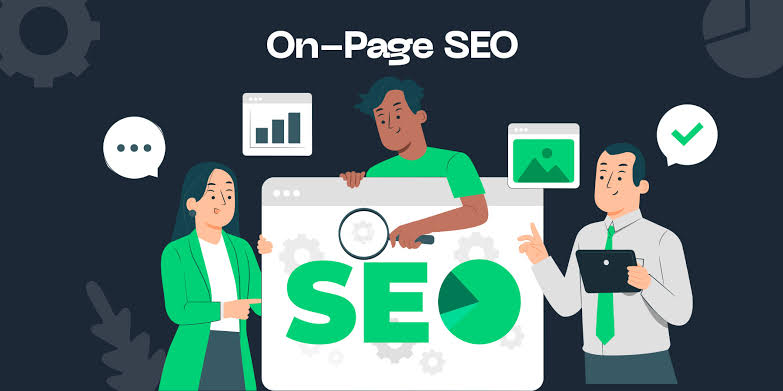
On Page SEO
On Page SEO Course: Learn Website Optimization Step by Step Introduction An On Page SEO Course is an excellent way to learn how to optimize individual webpages for search engines and users. Search engine optimization has become an essential digital marketing skill because businesses increasingly depend on organic search traffic to reach potential customers. Learning how to optimize website content, structure, keywords, images, links, and technical elements can help individuals build a strong foundation in SEO. An On Page SEO Course teaches the practical techniques required to improve the visibility and relevance of webpages. It typically covers keyword research, search intent, title tags, meta descriptions, headings, URLs, content optimization, internal linking, image optimization, mobile responsiveness, page speed, and other important website elements. Whether you are a student, digital marketer, business owner, freelancer, blogger, or aspiring SEO professional, an On Page SEO Course can provide valuable knowledge that can be applied to different types of websites. What Is an On Page SEO Course? An On Page SEO Course is a structured learning program designed to teach the techniques used to optimize website pages for search engines. The course focuses on elements that website owners can directly control. Unlike off-page SEO, which involves activities such as link building and online reputation management, on-page optimization takes place directly on the website. Students learn how to make webpages more relevant, accessible, useful, and search-engine friendly. A comprehensive On Page SEO Course generally begins with the fundamentals of search engines and gradually moves toward advanced optimization techniques. Students learn how search engines crawl, index, and rank webpages and how different page elements can influence search visibility. The objective is not simply to insert keywords into content. Instead, students learn how to understand search intent, create useful content, organize webpages, and provide a positive user experience. Why Learn On Page SEO? Learning on-page optimization can be beneficial for anyone interested in digital marketing. Search engines remain one of the most important sources of online traffic, and businesses need professionals who understand how to improve their visibility. An On Page SEO Course can help learners develop practical skills that can be used for blogs, ecommerce stores, corporate websites, service websites, and personal projects. For business owners, SEO knowledge can reduce dependence on paid advertising and help build sustainable organic traffic. Freelancers can use these skills to offer SEO services to clients. Digital marketing professionals can add on-page optimization to their existing skill set. Students and beginners can also benefit because on-page SEO provides a practical entry point into the broader field of search engine optimization. Understanding Search Engines A good On Page SEO Course introduces learners to how search engines work. Search engines use automated systems to discover webpages, analyze their content, and determine which pages are most relevant to particular searches. The basic process includes crawling, indexing, and ranking. Crawling involves discovering website pages through links and other signals. Indexing involves analyzing and storing information about those pages. Ranking determines which pages are displayed for particular searches. Understanding these processes helps SEO learners make better optimization decisions. Instead of making random changes to a website, they can focus on elements that improve clarity, relevance, accessibility, and user experience. Keyword Research Keyword research is one of the most important topics covered in an On Page SEO Course. Keywords are the words and phrases people enter into search engines when looking for information, products, services, or solutions. A successful SEO strategy begins by identifying keywords that are relevant to the website and its target audience. For example, a website selling candles might target phrases such as “scented candles,” “soy candles,” “candle gift sets,” and “best candles for home.” The keywords selected should reflect what potential customers are actually searching for. Students also learn about short-tail and long-tail keywords. Short-tail keywords are broad and often highly competitive, while long-tail keywords are more specific and can attract visitors with particular needs. Search Intent Understanding search intent is another essential part of an On Page SEO Course. Search intent refers to the reason behind a user’s search. Common types of search intent include informational, navigational, commercial, and transactional intent. Someone searching for “what is on-page SEO” has informational intent. Someone searching for “best SEO course” may have commercial investigation intent, while a person searching for “buy scented candles online” has transactional intent. Content should match the intent of the target audience. A webpage that does not satisfy the purpose behind a search may struggle to perform well, even if it contains the correct keywords. Title Tag Optimization Title tags are an important part of on-page optimization. They provide search engines and users with a concise description of the webpage. An On Page SEO Course teaches students how to create descriptive, relevant, and compelling title tags. The primary keyword can be included naturally when appropriate. For example, a page targeting the course keyword could use: On Page SEO Course – Learn Website Optimization A strong title should accurately represent the page rather than using misleading language simply to attract clicks. Each important webpage should ideally have a unique title that reflects its specific content. Meta Description Optimization Meta descriptions provide a brief summary of webpage content. Although they are not generally considered a direct ranking factor, they can influence whether users click on a search result. In an On Page SEO Course, learners can understand how to write compelling descriptions that accurately communicate the value of a page. A useful meta description should be relevant, concise, and written for users. Including the target keyword naturally may also be useful when it fits the context. For example: “Learn practical website optimization techniques with an On Page SEO Course covering keywords, content, titles, internal links, and technical SEO.” Heading Structure Headings help organize webpage content. The H1 generally represents the primary topic, while H2 and H3 headings divide the content into logical sections. An On Page SEO Course teaches learners how to develop a clear heading hierarchy that improves both readability and content